



Pregnancy is a beautiful journey, but it can also come with its share of challenges. One of the best ways to support your health and the health of your baby during this time is through regular exercise. Staying active can help alleviate common pregnancy discomforts, improve mood, and promote overall well-being. However, it’s essential to approach fitness with care. This blog will explore safe and effective fitness tips for expectant mothers.
Importance of Exercise During Pregnancy
Engaging in regular physical activity during pregnancy can provide numerous benefits, including:
- Reduced Pregnancy Discomfort: Exercise can help alleviate back pain, swelling, and other common discomforts associated with pregnancy.
- Improved Mood: Physical activity boosts the production of endorphins, which can help improve mood and reduce feelings of anxiety and depression.
- Better Sleep: Regular exercise can help improve sleep quality, which is often disrupted during pregnancy.
- Enhanced Energy Levels: Staying active can increase your energy levels, helping you feel more prepared for the demands of motherhood.
- Easier Labor and Recovery: Women who exercise during pregnancy often experience shorter labour and quicker postpartum recovery.
Choosing Safe Exercises for Each Trimester
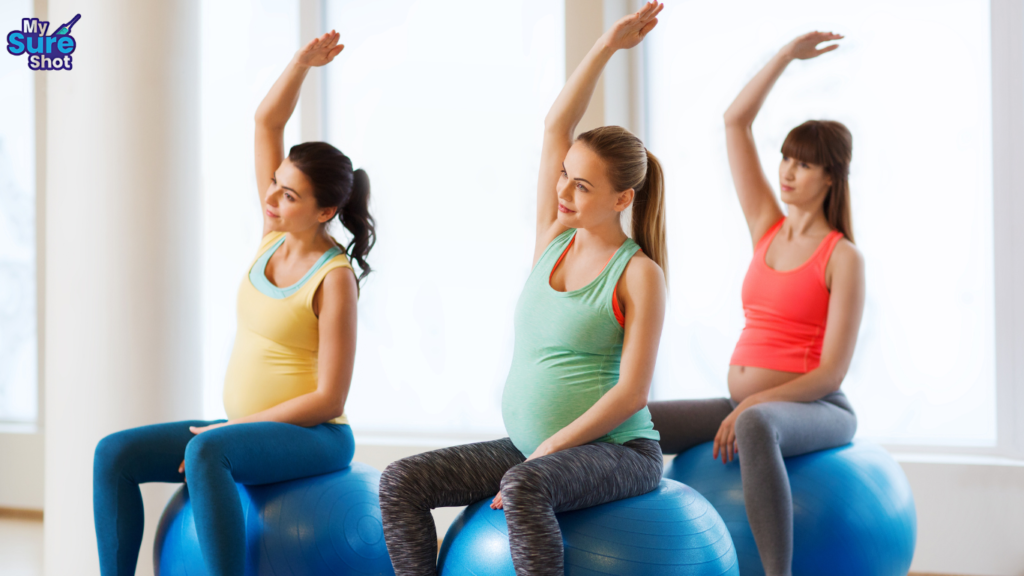
It’s crucial to adapt your fitness routine to the changes your body experiences throughout pregnancy. Here are some safe exercises for each trimester:
- First Trimester (Weeks 1-12): Focus on low-impact activities such as walking, swimming, and stationary cycling. These exercises can help build stamina and maintain cardiovascular health without putting excessive strain on your body.
- Second Trimester (Weeks 13-27): As your body grows and changes, you can introduce activities like prenatal yoga and Pilates, which help improve flexibility and core strength. Lightweight training with low weights can also be beneficial.
- Third Trimester (Weeks 28-40): It’s essential to listen to your body during this phase. Gentle stretching, prenatal yoga, and walking are excellent choices. Avoid high-impact exercises and activities that risk falling or injury.
Precautions and Modifications for Pregnancy Fitness
While exercise is generally safe for most pregnant women, some precautions and modifications should be considered:
- Consult Your Healthcare Provider: Before starting any exercise routine, consult your doctor to ensure it’s safe for you, especially if you have any pre-existing conditions or complications.
- Listen to Your Body: Pay attention to how you feel during exercise. If you experience pain, dizziness, shortness of breath, or other concerning symptoms, stop exercising immediately.
- Stay Hydrated: Drink plenty of water before, during, and after exercise to prevent dehydration.
- Avoid Certain Activities: Steer clear of high-impact sports, activities with a high risk of falling, and exercises that require lying flat on your back after the first trimester.
Benefits of Prenatal Yoga and Pilates
Prenatal yoga and Pilates offer unique benefits for expectant mothers:
- Increased Flexibility and Strength: Both practices can help improve flexibility and strength in the muscles needed for labour and delivery.
- Stress Reduction: The breathing techniques and mindfulness practices taught in yoga can help reduce stress and promote relaxation.
- Improved Posture: Strengthening core muscles through Pilates can enhance posture, which is especially beneficial as your belly grows.
- Connection with Your Baby: These practices can foster a deeper connection between you and your baby through mindfulness and awareness.
Postpartum Fitness Considerations
After giving birth, it’s essential to approach fitness with patience:
- Start Slowly: Allow your body time to recover before jumping back into your pre-pregnancy workout routine. Begin with gentle activities like walking or postpartum yoga.
- Focus on Core Strengthening: Many women experience weakened abdominal muscles after pregnancy. Engage in gentle core strengthening exercises to support recovery.
- Listen to Your Body: Just like during pregnancy, listen to your body and progress at your own pace. If something doesn’t feel right, consult your healthcare provider.
Seek Guidance: Consider working with a fitness professional experienced in postpartum exercise to help you safely ease back into your routine.
Conclusion
Staying active during pregnancy is vital for both your health and your baby’s. By choosing safe exercises, listening to your body, and incorporating activities like prenatal yoga and Pilates, you can enjoy a healthy pregnancy and prepare for the journey of motherhood. Remember, it’s always best to consult with your healthcare provider before starting any new exercise routine during pregnancy.
FAQs
Is it safe to exercise during pregnancy?
Yes, for most women, regular exercise is safe and beneficial during pregnancy. However, it’s essential to consult with your healthcare provider before starting any exercise routine.
What types of exercise are safe during pregnancy?
Low-impact exercises such as walking, swimming, stationary cycling, and prenatal yoga are generally safe. It’s essential to listen to your body and make modifications as needed.
Can I continue my regular workout routine during pregnancy?
If you were active before pregnancy, you may be able to continue your routine with modifications. Always consult your healthcare provider for personalized advice.